Parenting styles haveevolved quite a bitover time, thanks to changing attitudes about child rearing.
Many of these changes can be attributed to advancements in modern science, as well as psychology.
Here’s a look back on how far we’ve come.

Thanks to this outdated advice, generations of mothers refrained from hugging and kissing their children.
“Never let them sit on your lap,” wrote Watson.
“If you must, kiss them once on the forehead when they say good night.
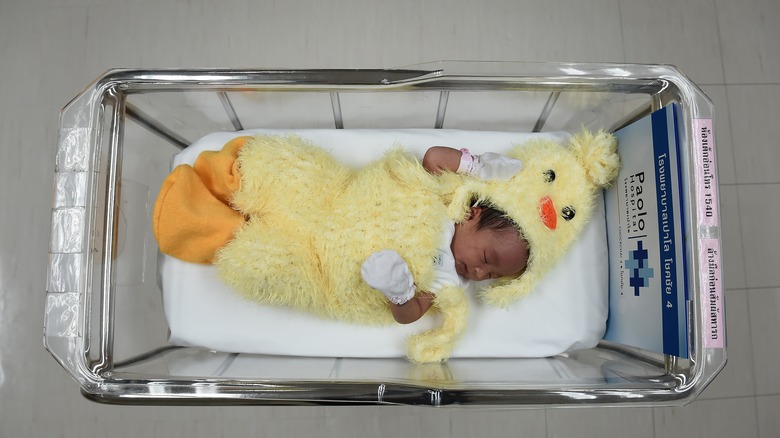
Shake hands with them in the morning.
Give them a pat on the head if they have made an extraordinary job of a difficult task.”
Sleeping babies were supposed to point north
The 19th century was a time of pseudoscience.

During this time, people believed in many implausible ideas that were supposedly rooted in science.
And these pseudo-scientific beliefs affected child-rearing in surprising ways.
Before then, women were known to indulge in alcohol while pregnant.

He further said that pregnant women should stick to wine and “shun the use of water.”
Colonial Americans believed that alcohol had many health benefits.
Many children drank alcohol, although it wastypically watered down.

“American drinking was out of control,” wrote Cheever.
“Children drank before school, during school, at recess, and after school.”
Cradles werelong and narrow.

Babies were dressed in long gowns that prevented them from crawling.
The skirts would extend several inches beyond the ends of their legs.
Many of the things a mother could do wrong were based on how she felt andwhat she looked at.

It was thought that a mother who looked at ugly things while pregnant would make her baby ugly.
It was also believed that mothers could affect their baby’s health with their attitudes.
Nagging was also not permitted as it could make a woman’s milk dry up.

Breastfeeding longer than that could supposedly give babies brain disease and make the nursing mother go blind.
The importance of hygiene wasn’t truly understood until thelate 19th century.
Parents were not supposed to bathe their children with soap and water until they were around one week old.
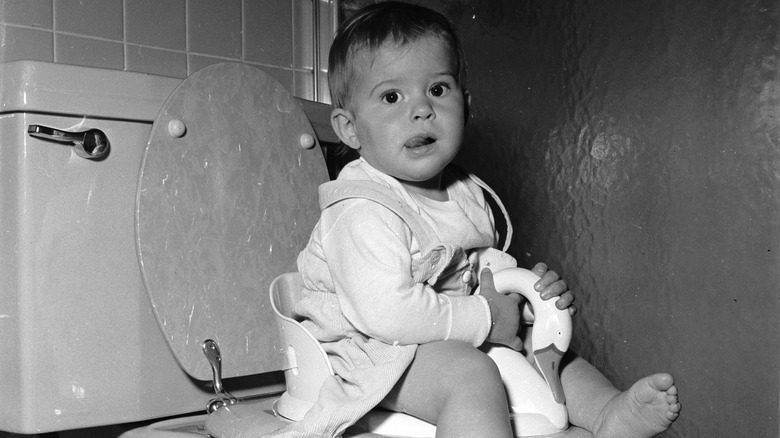
Even women who nursed their babies themselves were likely tohire someoneto help care for their child.
Parenting manuals from the early 20th century warned parents to be wary of the women watching their children.
If you keep this up with regularity, a daily bowel movement will probably result."

With no restraints, children were not secured in the car.
A small hammock was to be used on car rides.
In his bestselling book, Dr. Spock reminds parents that they should listen to their instincts.

“Trust yourself,” writes Dr. Spock.
“You know more than you think you do.”
