Gym-goers spend hundreds of dollars on gloves, belts, wraps, sleeves, andother accessories.
Some look like they came straight out of a sports magazine.
But do you really need all this stuff to be a weightlifter?
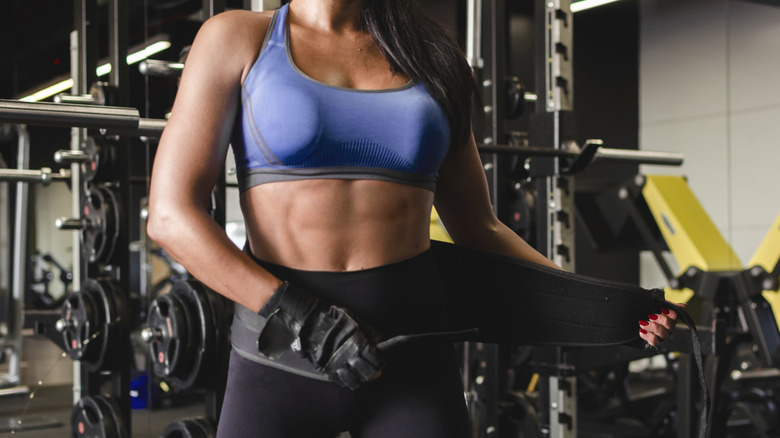
The answer depends on who you ask.
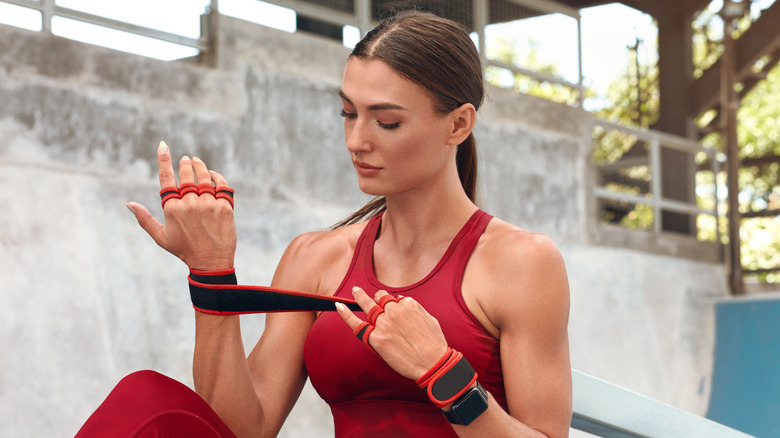
These accessories can also be helpful when you have open tears on your palms, saysMen’s Health.
However, it’s perfectly fine to lift weights with your bare hands.
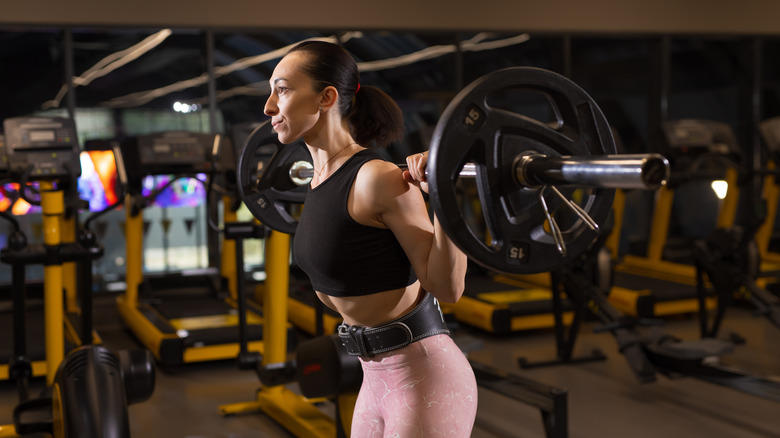
What about knee or elbow sleeves, belts, or lifting shoes?
Should you go for comfort or stash your money for other things?
Should you wear a weightlifting belt?
Squats, deadlifts, shoulder presses, and other strength exercises can put stress on your back.
It takes just one wrong move to injure your spine and end up in excruciating pain.
Considering these risks, it’s no surprise that lifting belts are considered a must-have.
The problem is that they are often misused.
First of all, these accessories support your core muscles, making it easier to lift heavy loads.
Their role is not to protect your back.
The Mayo Clinic explains that lifting belts can help improve your posture and stabilize the spine during exercise.
But this doesn’t mean they actually protect your spine.
What matters most is to use proper lifting form and keep your spine neutral.
Furthermore, competitive powerlifter Tim Henriques toldT-Nationthat gym-goers who overuse the belt might end up with weak core muscles.
These accessories have their role, but you probably don’t really need them.
Knee sleeves, for example, should be worn throughout your entire workout.
You’ll use these products to stabilize your knees and keep them warm, which may help prevent injuries.
However, they are not meant for the average trainee.
Performance and fitness expert John Rusin toldT-Nationthat knee wraps are often overused, which may lead to joint problems.
Moreover, they can limit your range of motion and keep you from reaching your training goals.
For best results, focus on improving your lifting form, mobility, and technique.
Weightlifting gear cannot compensate for poor form or muscle imbalances.
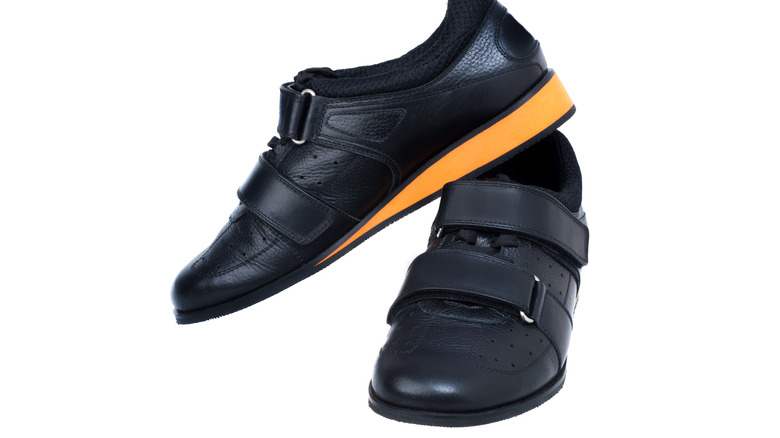
However, traditional sports footwear is different from weightlifting shoes.
Weightlifting shoes are not necessary for bodyweight squats orcore work.
But if you’re planning to go heavy in the gym, it makes sense to wear special footwear.
The only exception is the deadlift.
A raised heel can make it harder to maintain proper form and get the bar off the ground.
