Hair shedding, breakage, and loss aren’t easy things to deal with.
There areDIY hair loss treatments like onion juice, but results are often slow to appear.
And hiding the issue with extensions can make matters worse.
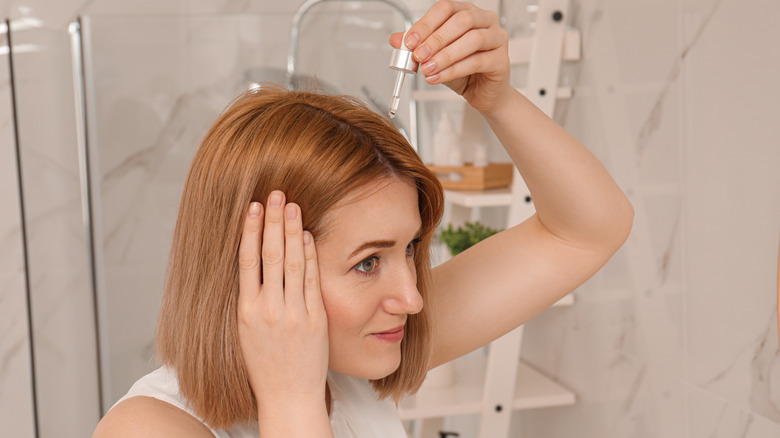
Rumor has it that tretinoin can put those worries to bed.
Tretinoin is a retinol typically used to combat acne.
But people on social media are moving it from their skincare routine to their haircare regime.
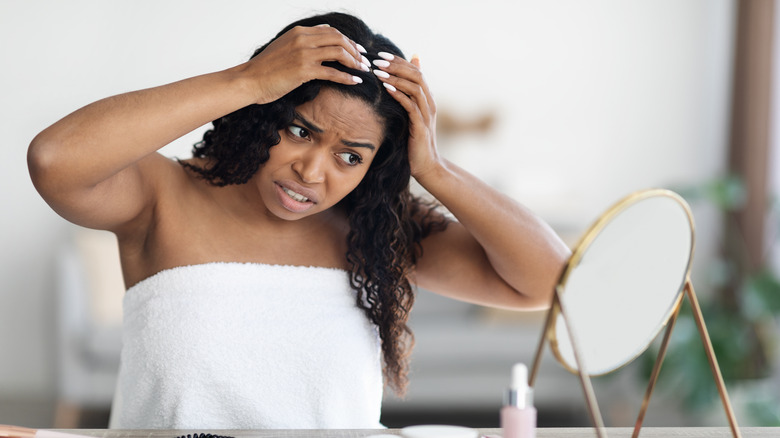
It is not the first time an ingredient has worked a double shift for your skin and hair.
Coconut oil delivers protein to damaged hair and moisturizes dry skin.
Shea butter’s anti-inflammatory properties fight scarring while its fatty acids condition limp strands.
Now tretinoin seeks to join the dual beauty benefits crew.
But before slathering acne gel to thinning hair and bald spots, let’s see what the science says.
In other words, it creates newer and healthier cells.
This reaction explains why tretinoin boosts the power of minoxidil.
Tretinoin is FDA-approved for treating acne and symptoms of photoaging, like wrinkles and hyperpigmentation.
However, this vitamin A derivative is not approved as a remedy for hair loss, on- or off-label.
But don’t lose hope.
There are several proven methods for stimulating hair regrowth.
However, it does allow other growth treatments to work more effectively.
Minoxidil is the most popular FDA-approved hair regrowth product on the market.
It is better known by its commercial name, Rogaine.
It can stimulate growth and slow the rate of hair loss.
This treatment comes in foam, liquid, and as a shampoo.
Spironolactone is another option.
However, it is also used to lower high blood pressure and can be dangerous if overused.
Hair loss happens for a variety of reasons, from hormones to stress.
It is best to consult your doctor about which treatment is right for you.
And, who knows, it might benefit from a tretinoin boost.
