Unfortunately, this isn’t always the case, as acne can follow us into our adult years.
Fungal acne is a skin condition that mimics regular acne but requires an entirely different treatment.
If you have fungal acne, the treatments you’re using could be making your skin condition even worse.
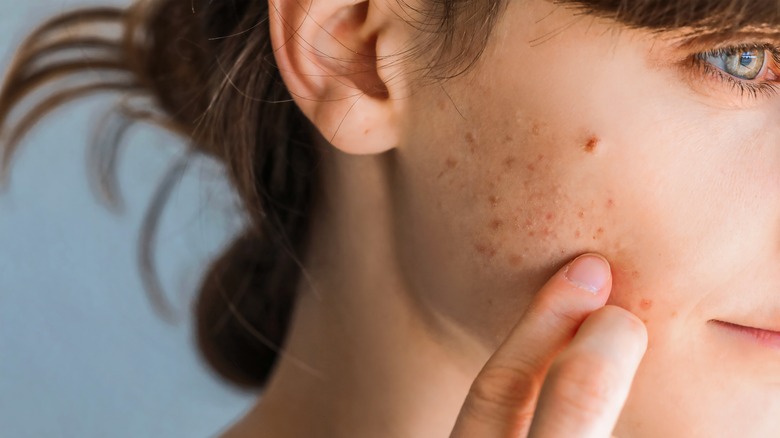
What is fungal acne?
Fungal acne can very easily be misidentified as common acne.
When bacteria, oil, and dead skin cause blockages in your hair follicles, common acne can occur.
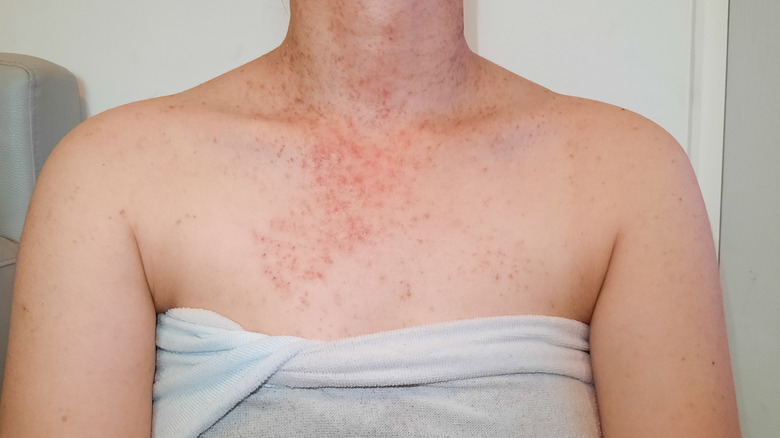
You’ll notice red and white pimples appearing on your skin.
On the other hand, fungal acne is a yeast infection, specifically due to Malassezia yeast.
No one wants to have a fungus growing somewhere on their body.

However, fungal acne is a fairly common condition that medical experts say is nothing to be ashamed of.
How is fungal acne treated?
Surprisingly enough, your best weapon against fungal acne is using an anti-dandruff or anti-fungal shampoo.
To prevent a reinfection,Healthlinerecommends paying close attention to how much you’re sweating.
Tight clothes that offer little to no airflow and excess sweat are the perfect habitation for yeast growth.
The hot water will wash away any yeast that might be forming on your skin.
