The single-use sheet mask or the packaged mud mask?
This decision depends largely on how oily your skin is and what you’re looking for.
Both are great options, but one may be better for your skin pop in than the other.
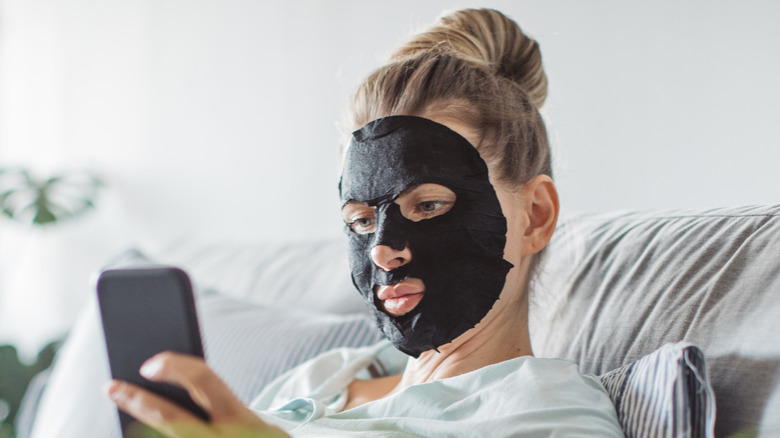
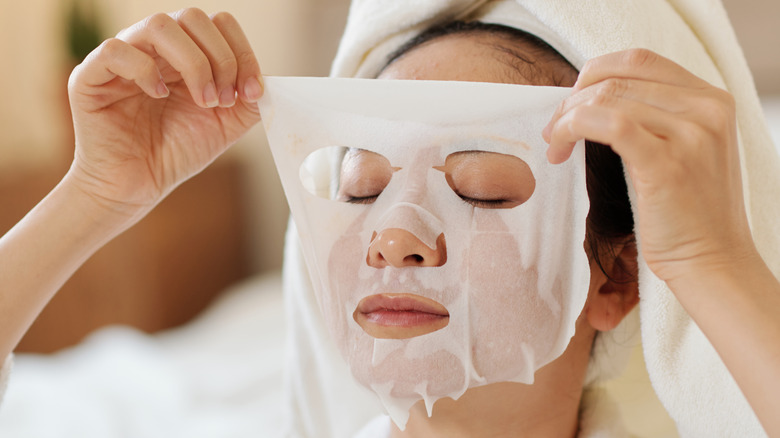
These thin layers made of fabrics like cotton, fiber, or cellulose, are packed with moisturizing ingredients.
Each face mask contains different ingredients for different purposes, making the options seemingly endless.
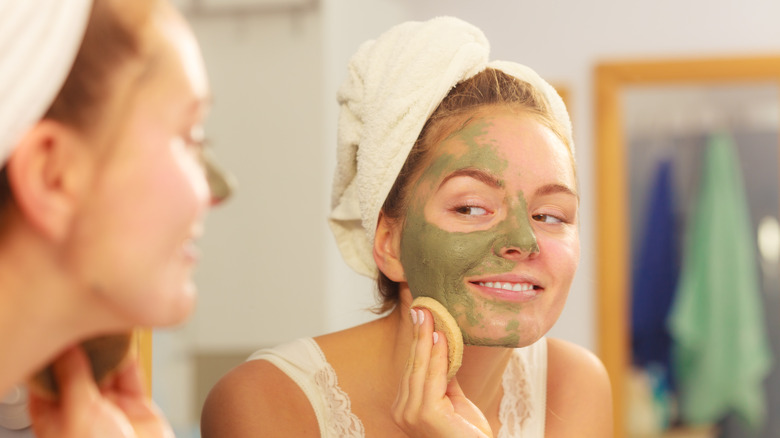
Mud masks are equally as popular.
They’re made of minerals, silts, clays, and soils.
You’ve probably heard of masks made from the Dead Sea’s mud, or from volcanic mud.
Both types, like most mud masks, have anti-inflammatory properties.
Replacing moisturizer with a sheet mask can leave your skin glowing.
Individuals with acne-prone skin, however, should limit the use of all sheet masks to once per week.
The sheet mask is effective in the way it functions as an occlusive.
Different masks use different ingredients, creating different results that range from anti-aging to brightening.
Mud masks absorb bacteria and oils from the skin, unlike sheet masks where the skin absorbs the ingredients.
Essentially, mud masks have a cleansing effect while sheet masks have a hydrating effect.
Once washed off, mud masks leave the skin soft and tightened as opposed to dewy.
In addition to deeply cleansing the skin, mud masks transfer vitamins and nutrients into your epidermis.
