If you want to banish aches and pains fast, a well-stocked medicine cabinet is essential.
No one wants to make a quick run to the store when they don’t feel well.
Allergy medicines and antidiarrheals are useful to keep on hand, too.
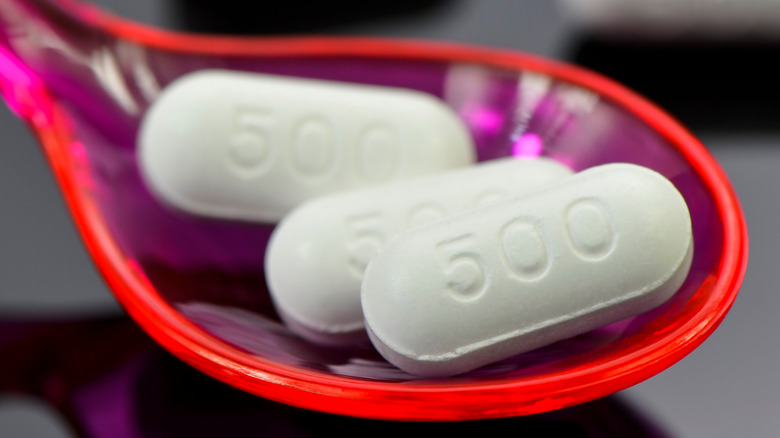
To keep your medicines as long-lasting as possible, think beyond the traditional medicine cabinet.
Kitchen cabinets are a good choice, too.
Avoid hot areas near the stove or wet areas near the sink.
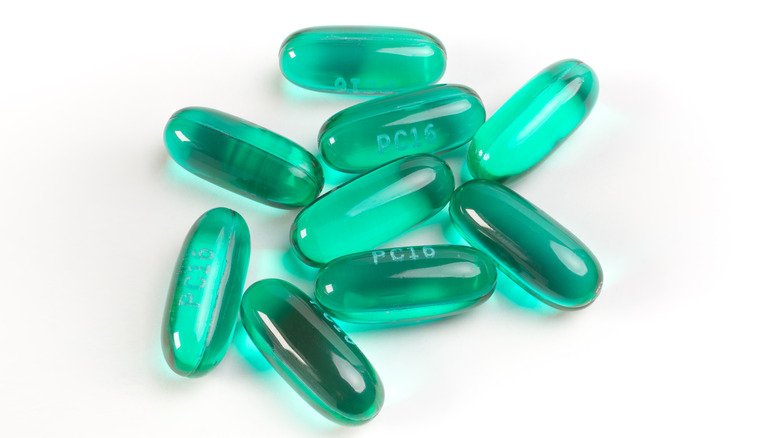
Even with proper storage, medicines don’t last forever.
So how do you know when it’s time for a refresh?
When it comes to expired OTC medicines, guidance from theFDAis clear: Toss them.
A medicine may be less effective or even risky due to changes over time.
Don’t add to your suffering.
Parentsmagazine recommends a monthly check.
Look at dates, and examine medicines for changes in texture or smell.
Sticky, chipped pills can also indicate damage.
Aspirin can break down into vinegar and salicylic acid and irritate your stomach (perMedlinePlus).
Err on the side of caution and don’t take risks to save a little money.
When in doubt, ask a pharmacist.
Once you’re identified any expired or damaged medicines, dispose of them properly.
TheFDArecommends utilizing drug take back locations for both OTC and prescription drugs.
you’re able to access local information by visiting theU.S.
Drug Enforcement Administration’sTake Back Day site.
If a take back event is not available, most medicines can be disposed of in the trash.
