Though many choose to keep their struggle private, infertility is not rare, affecting millions worldwide.
According to theWorld Health Organization, infertility affects 48 million couples and 186 million individuals across the globe.
The timeline changes to six months for women ages 35 and older, so time is of the essence.
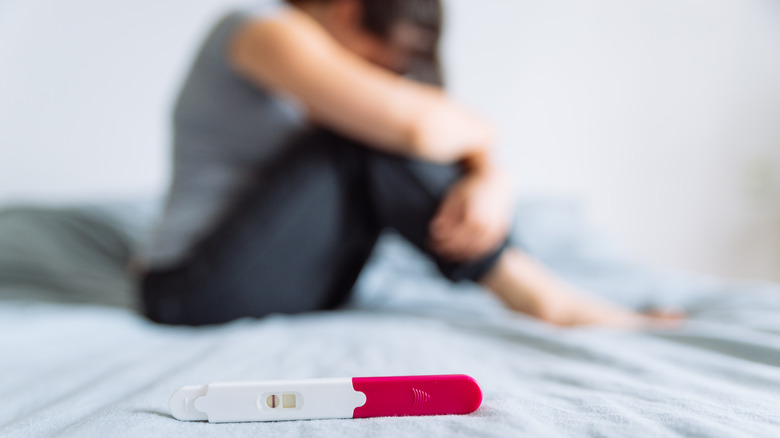
There are also different types of infertility.
Causes of secondary infertility
The causes of secondary infertility are similar to primary infertility.
One major cause is ovulation problems, either irregularly or not ovulating at all, as perMayo Clinic.

Another cause of secondary infertility is blocked fallopian tubes.
Often the tubes become blocked or damaged, which keeps sperm from meeting the egg.
Difficulties stemming from previous surgery or pregnancy can also contribute.

Like primary infertility, sometimes secondary is unexplained, and no one cause is found.
Men play a role in secondary infertility
Low testosterone levels are a significant cause of male infertility.
Sperm motility, movement, and sperm morphology, the shape of sperm, change after age 40.

These changes result in lower-quality sperm and fewer sperm, which can lead to secondary male infertility.
In addition, prostate issues can inhibit male fertility, as perWebMD.
An enlarged prostate or a prostate removal can cause a reduced sperm count and a reverse in sperm flow.

Being diagnosed with secondary infertility
Diagnosing secondary infertility is a multi-step process.
Both men and women need to be tested.
In women, a history of their cycle, past pregnancies, and pregnancy loss will be recorded.

In men, doctors will inquire about injury or issues with testes.
Men will undergo a sperm analysis.
Once diagnosed with secondary infertility, it’s essential to seek out support.
However, that does not diminish the pain of infertility or the need for support.
Counselors who specialize in reproductive challenges can help you through the process.
The first line of defense for both men and women is treating any medical conditions contributing to infertility.
This helps prime the uterus for implantation.
Advanced reproductive technology (ART) is also helpful in treating secondary infertility.
One commonly used treatment is intrauterine insemination (IUI), where a sperm sample is taken.
Doctors insert sperm directly into the uterus when a woman is ovulating to increase pregnancy chances.
